

Good Manufacturing Practice
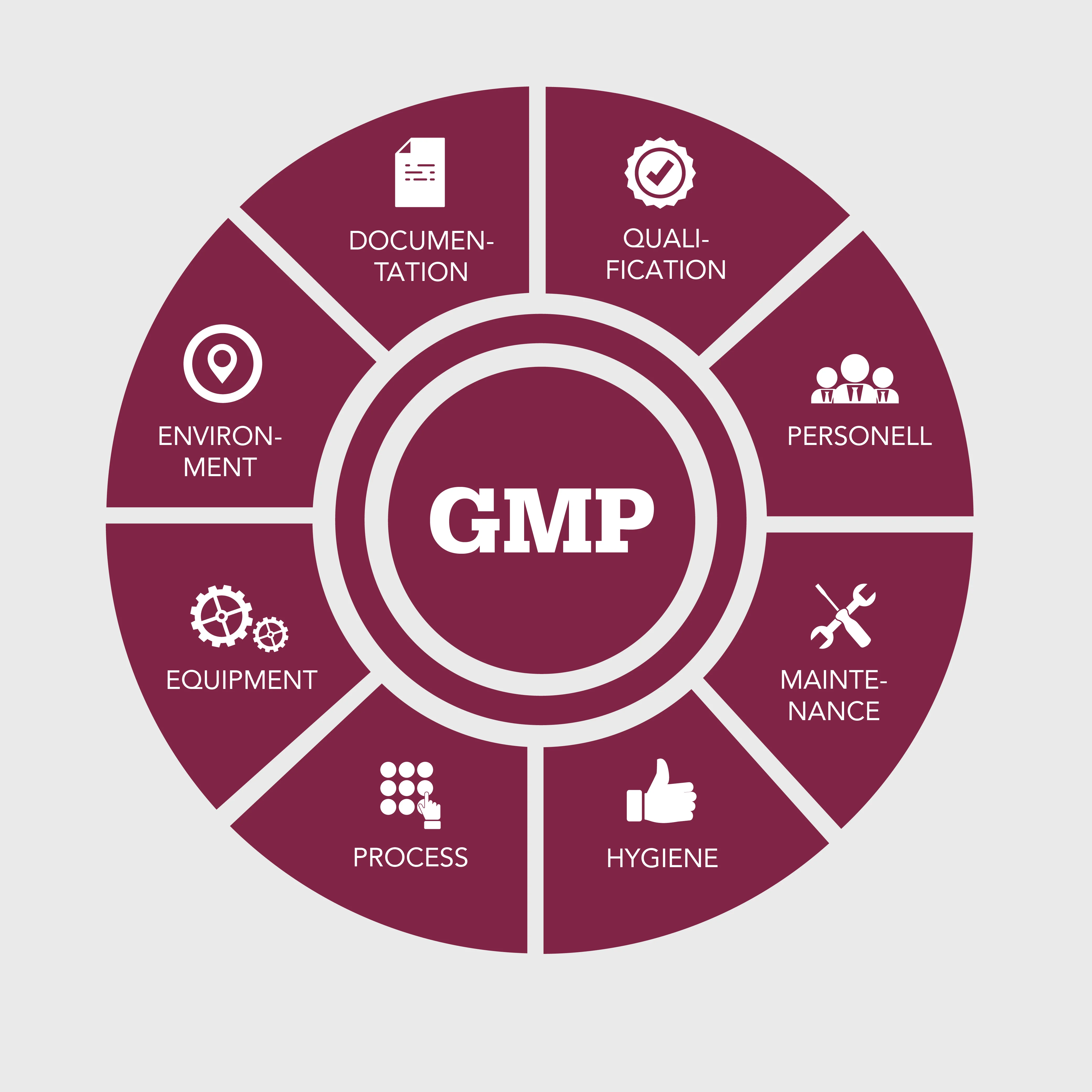
At BEHN + BATES, Good Manufacturing Practice (GMP) means that all filling and packaging solutions are consistently designed to support validated and hygienic production processes in the food, infant nutrition, and pharmaceutical industries.
In our machine design, we meet GMP requirements and apply recognized hygienic design principles, including smooth and easy-to-clean surfaces, certified product-contact materials, and the minimization of dust accumulation and product residues.
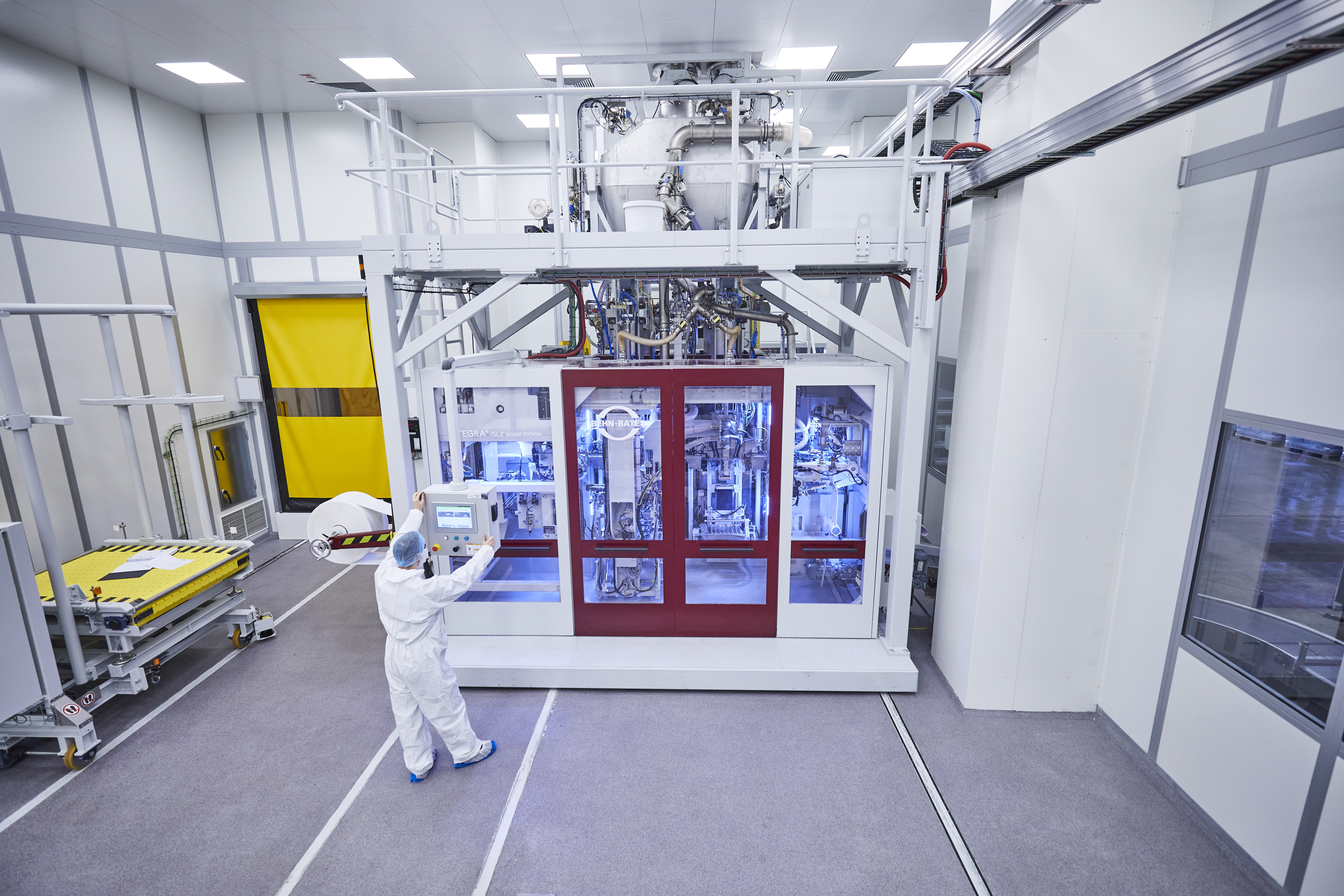
As a result, BEHN + BATES systems can be seamlessly integrated into GMP-compliant production lines, for example in cleanroom applications, ensuring the safe and contamination-free filling of powdered bulk materials.
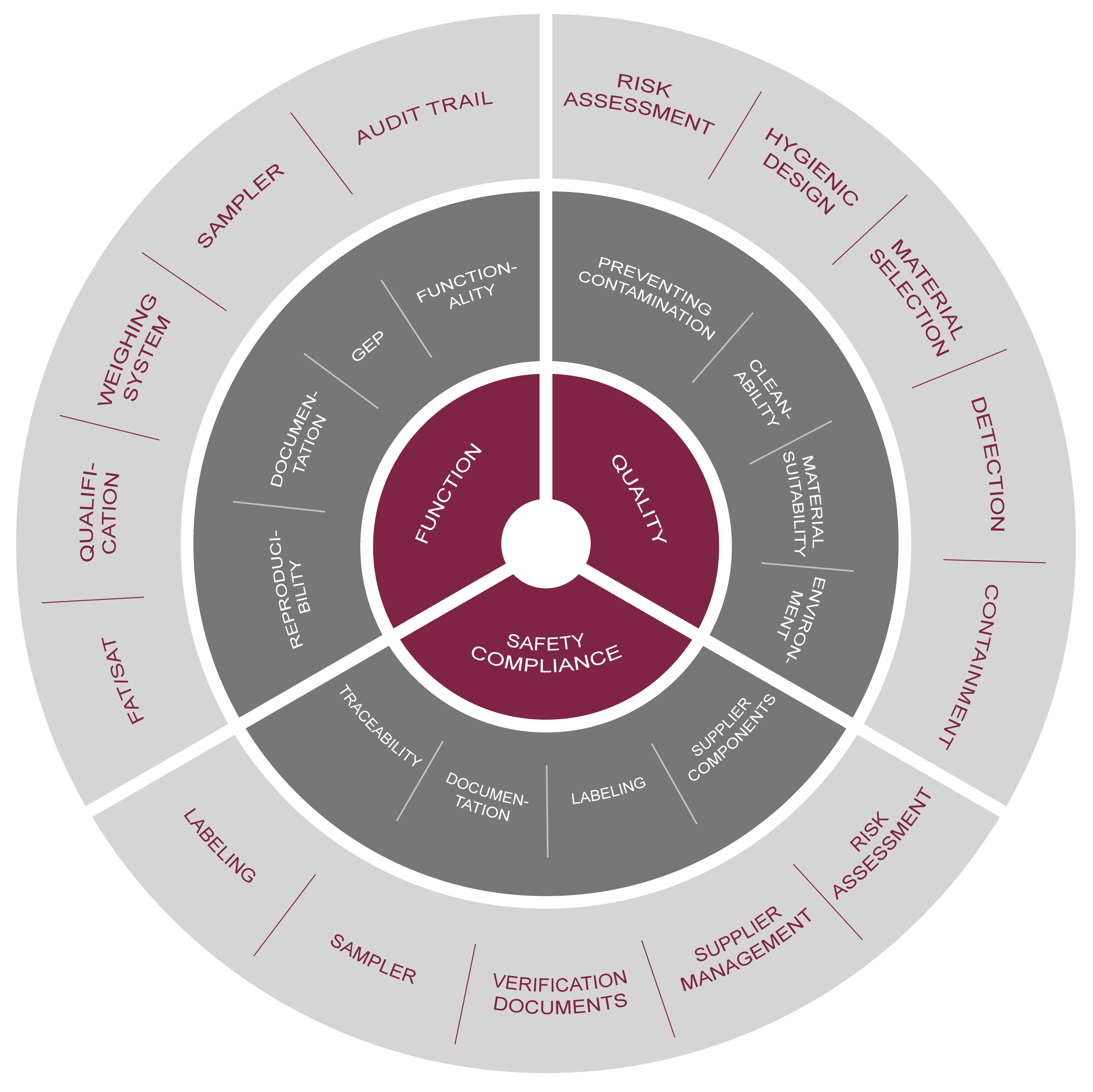
At BEHN + BATES, quality assurance is at the core of every machine solution. To reliably minimize contamination risks, we consider both the machine itself and its production environment. Careful material selection, easy-to-clean designs, and well-engineered concepts for cleaning, detection, and containment create the foundation for safe and repeatable processes. This enables our equipment to support reliable, GMP-compliant operation over the long term.
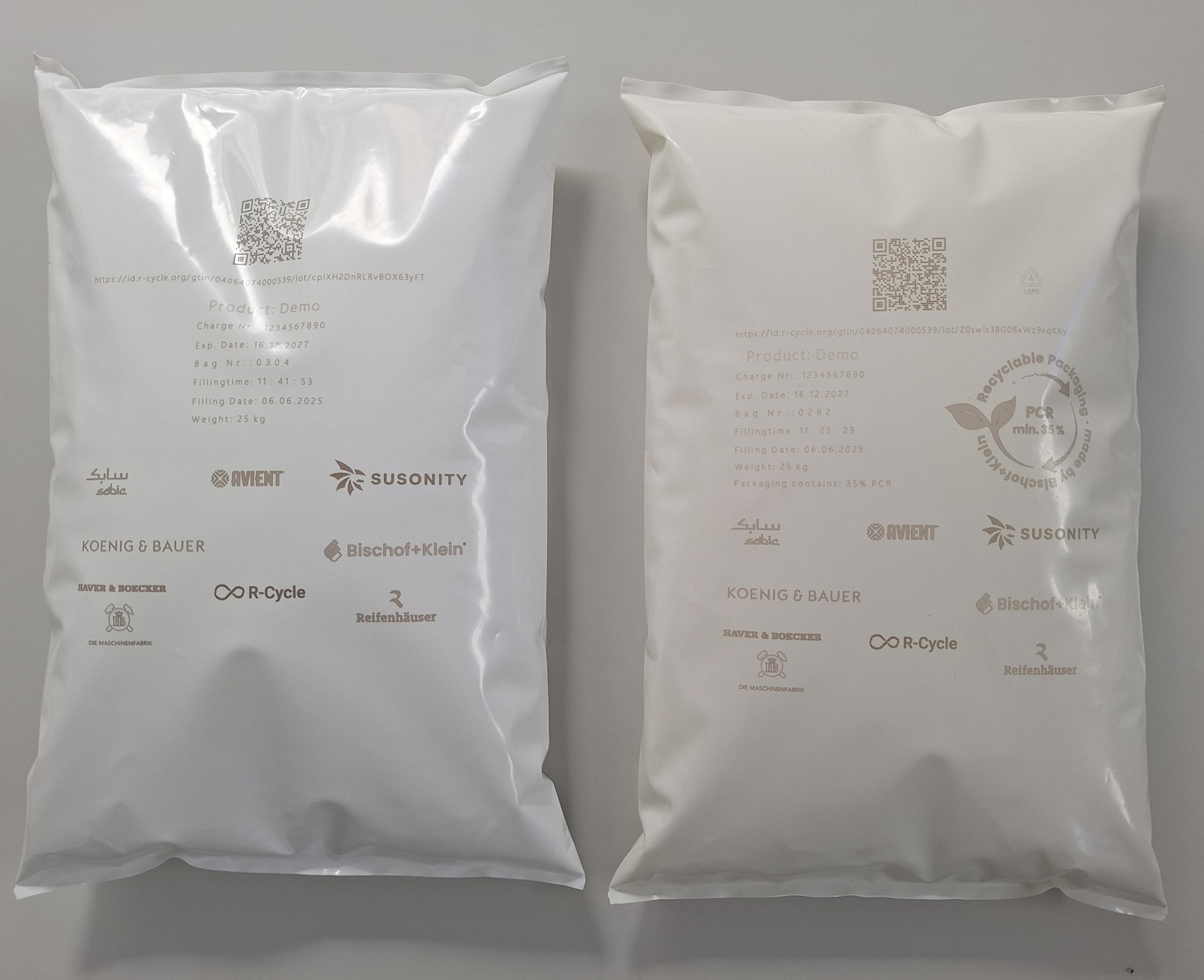
Product safety starts with the complete traceability of all materials and components used. Every part can be clearly identified and tracked through comprehensive documentation. This is supported by a structured supplier management system and the availability of all relevant records and certifications. During operation, every batch remains fully traceable at all times. Labeling systems, routine sampling, and the monitoring of critical process steps help ensure consistent product quality and provide confidence throughout the production process.
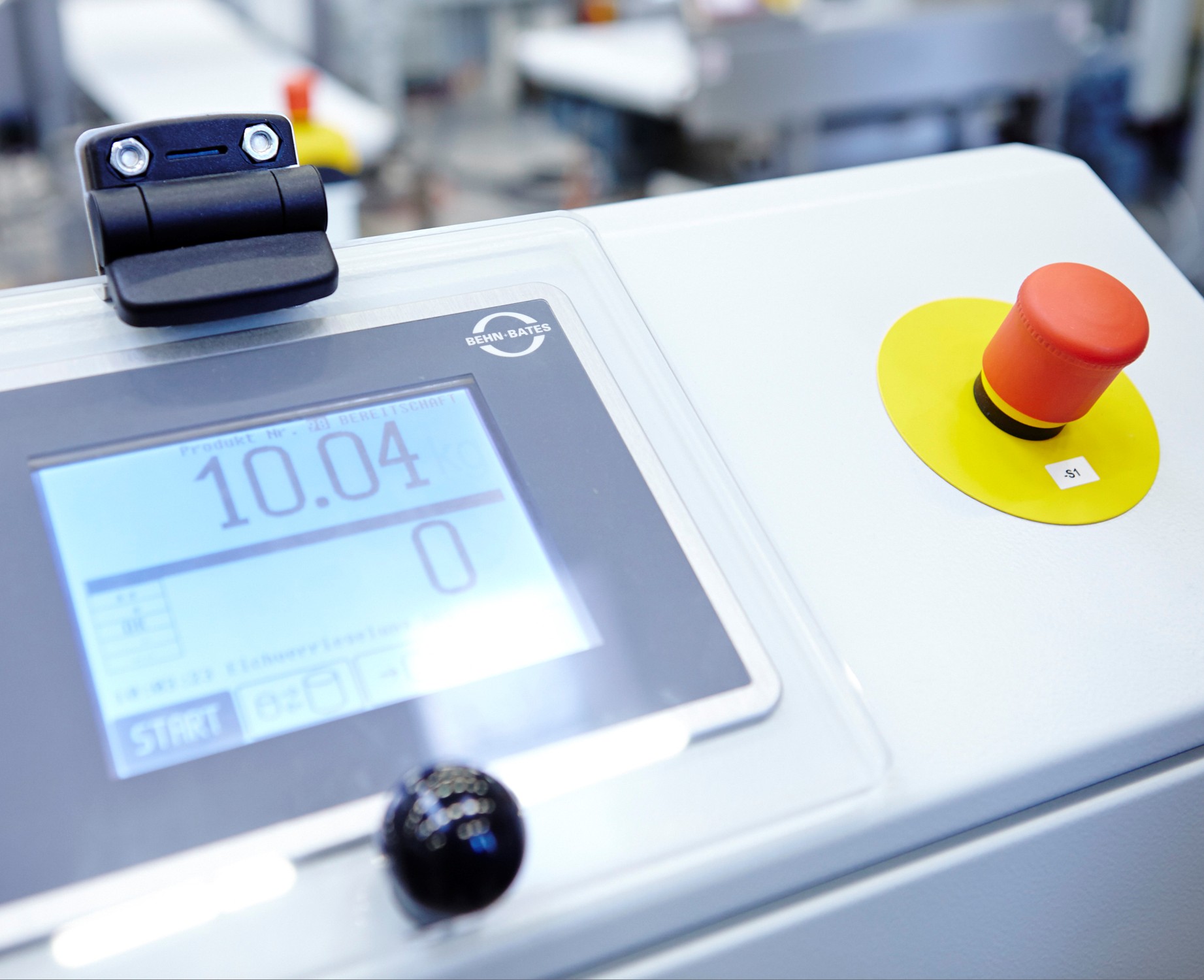
To ensure our equipment performs reliably in daily operation, we rely on clearly defined workflows, documented processes, and proven engineering practices. During factory acceptance testing (FAT), we verify that all functions operate as intended and meet the required specifications. In production, digital products and integrated sampling and weighing systems continuously monitor process quality and provide valuable insights into process stability. All relevant activities are documented transparently, allowing equipment performance, safety, and process integrity to be tracked and verified at any time.
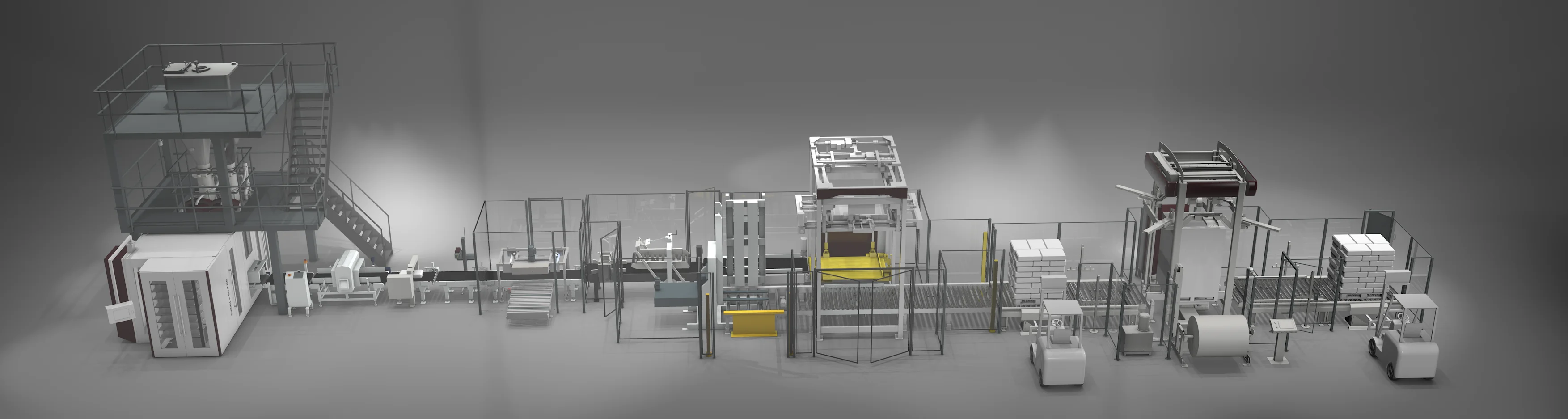
Cleaning
- Accessibility
- Dry cleaning
- Design principles in accordance with DIN EN 1672-2
Sampler
- Closed-system sampling
Food safety
- Regulation (EC) No. 1935/2004 on food contact materials (FCMs)
- Commission Regulation (EU) No. 10/2011 on plastic materials and articles intended to come into contact with food
- 21 CFR Part 177 – Indirect Food Additives: Polymers (FDA regulations for food-contact materials)
Production data
- Data exchange with the customer’s control system
- Reporting
Automation
- Audit Trail
- Back up
Packaging
- Material suitability for bag packaging
Suitable environment
- Defined containment
- Enclosure of filling area, bag storage etc.
Weighing system
- Weight accuracy
- Product quality
- Reproducibility
- Documentation
Detection
- Detection during the filling process
Detection
- Detection of metal contaminants in the filled bag
Checkweigher
- Determination of bag weight
- Comparison with the target value
- Control of the filling process
QUAT2RO SealCheck
- Detection of unsealed bags
Labeling
- Bag labeling
- Printer
- Laser
Reject handling
- Metal detection
- Underweight/overweight
- Unsealed bag
- Labeling error
Labeling
- Full pallet labeling
- Batch identification, product and production data
- Traceability
Hygiene Risk Assessment (HDRM)
- Risk assessment based on FMEA (Failure Mode and Effects Analysis)
Verification documents
- Test certificates for materials used (FCM - Food Contact Materials)
- Declarations of conformity
- FAT/SAT
- Employee qualification

48153 Münster